Chinese New Year Artifacts. In the philippines, a tsinoy is a filipino of chinese heritage. 12pcs new years eve party paper lantern decorations (color:
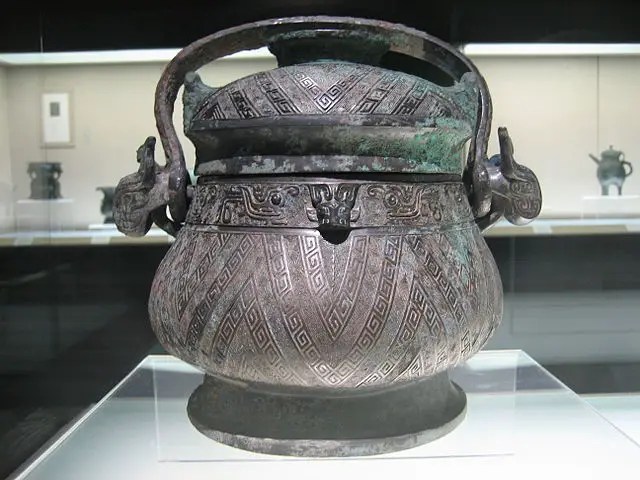
Ancient China Artifacts (All You Need to Know!) CoolaBoo Education Site from www.coolaboo.com Enjoy the new Year Around the World
The New Year marks the beginning of the new calendar. It marks a day on which the count increments by one. Many people observe the New Year in different ways however, the Gregorian is the most well-known. It is possible to find out more about the various customs associated with the holiday. Get some tasty food and drink!
Observance
There are many cultures that have their own customs for the observance of new year. Many celebrate the new year by performing religious rituals. Buddhists and Hindus give gifts to their elders and Chinese offer oblations to their gods. These celebrations can also be a great time to give and receive well wishes from loved ones and family.
The origins of New Year's Day can be traced back to the seventh century when pagans were celebrating Jesus' Annunciation. Religious leaders were not happy with the tradition to celebrate New Year's Day on the same date as Jesus was born. In Flanders and the Netherlands, the custom of giving presents on this day dates to the 7th century. It is believed the Gregorian calendar had an impact on this custom of celebrating new years. It is also thought that Julius Caesar named this month after the Roman god of the beginnings, Janus. Janus was a god with two faces and could look into the past as well as the future.
Modern New Year's Day celebrations are observed in many countries on January 1, 2019. The Gregorian calendar recognizes the start of the year as January 1. The year starts with a different date for other calendars, such as the Julian. Numerous cultures acknowledge the significance of celebrating New Year's Eve and the fresh start it gives.
Traditions
There are thousands of different customs that mark the start of the start of the new year. These celebrations are held in a variety of different countries, cultures, and families. There are a variety of ways you can start the year.
New Year’s Eve celebrations are usually held on December 31. They continue until the early hours in January 1. The people love eating foods that represent good fortune. Grapes and legumes can bring prosperity to people who eat them. To celebrate the new year fireworks are also a popular choice.
Another tradition is eating cabbage on New Years Day. It is believed it brings prosperity and wealth for the next fiscal year. New York City's annual gigantic ball drop in Times Square is a traditional part of New Year celebrations. The enormous sphere, which weighs over 12,000 pounds, is in use today.
A second tradition, known as "podariko," is also prevalent in the Mediterranean. This means "good feet." This is because pomegranates represent fertility and luck. People also hang pomegranates from their doors before the holidays. Lucky people enter their homes on their feet.
Religion
Most countries mark the beginning of the year with celebration of holy days of worship. Japan is a good of the most notable examples. On Rosh HaShanaha people offer gifts to Buddhist monks. In China the New Year is celebrated by offering sacrifices to the gods of wealth, hearth and ancestors. The beginning of the new year in certain nations is celebrated with the celebration of a national holiday.
Orthodox Christians in Britain celebrate the new Year by celebrating liturgies. Many people attend the blessings of the famous Orthodox Christian figures. Other celebrations include dinners, parties and communal meals. Many people may light fireworks to mark the start of a new year. Whatever the celebration you choose to celebrate, be aware that it is a day that marks the beginning of a new year.
Food
The new year's celebration is filled with traditional, festive foods. Champagne and oysters are a couple of the options on the traditional, lavish and rich menu. Foie gras and smoked salmon are two other traditional food items. While the principal course will typically be chicken dishes like turkey, goose or cornish hen (or some combination of the two) however, there are other choices. Other popular dishes to serve at New Year's Eve dinners include venison and lobster.
While it's not necessary to include these foods however, many cultures associate them with the new Year. Grapes bring a lot of luck in several nations. The grapes are eaten by the people of every chime on the clock at the close of the year. This ritualistic gesture could bring luck to you in the new year.
In many areas of Asia fish is a symbol abundance, prosperity, and wealth. To illustratethis, Japan's New Year's Day tradition of eating herring indicates that there will be plenty. Additionally, in Scandinavia, pickled herring is associated with abundance. Among Swedes eating a lot of fish is also believed to bring luck.
Holidays
Many cultures celebrate Holidays in the New Year by having special meals and celebrations. Many countries celebrate this holiday by eating certain symbolic foods , like cabbage for prosperity. Americans celebrate the day with black-eyed bean, that are believed to be lucky. Asian cultures celebrate holidays with special meals. The most elaborate dishes are made of ingredients with symbolic names and appearances.
The time of the year for holidays varies from one to four days. The New Year's Day falls on the first day of January. The New Year will be celebrated on the Saturday of 2022. This means that the period of celebration will be 3.25 days.
There are not only the four days of holiday to celebrate New Year, but there are bank holidays in other countries on various dates. A long four-day bank holiday is planned for 2022 in celebration of the Queen's Platinum Jubilee celebration. On the day of Queen Elizabeth's birthday on December 28, people could enjoy up to three days off.
The end of a year is a time of celebration. People can let go the past and look forward to a brighter future. Students can take time off from class which makes it a wonderful opportunity to spend time with family.
Date
In the majority of countries in the world, the New Year begins in January. It is a day of celebration and happiness and people mark it with dancing, singing, and giving gifts. It is the most well-known holiday in the world, and has its roots in Babylon. The celebration was initially held for 11 days during the spring. The birth of Jesus Christ was the reason for this year's change in date.
The date of the New Year has been changing little since 1582, when the Gregorian calendar was made accessible. Pope Gregory XIII, Pope Gregory XIII, changed the calendar and moved the date of the New Year from the second day of January in order to maintain the equilibrium between the seasons. After a couple of years, 1 January was chosen as the date of the New Year.
A variety of people also celebrate celebrations of the New Year. The Chinese observe the Lunar New Year in February 11th or 26th. Hindus observe the Hindu New Year on the 20th of February. The solar and lunar cycles form the basis of the Hindu panchanga or the Hindu calendar. The Hindu calendar was created in the year 57 BC and was based on the seasons and days. The Hindu Year, which is an annual leap year the date of its change is dependent on leap year, is referred to as the Hindu Year.
Origin
It is not clear exactly what the origins of the new year are from. Some people believe that it was born in the ancient times of China. According to Chinese mythology the mythical creature that had the body and head of an ox as well as the body of a lion was in the sea and emerged at New Year's Eve. It was scared of noise, fire as well as the color red. Chinese culture marks the beginning of the year with red canvasses.
The Roman early calendar included 10 months. Each one lasted for 304 days and the new year started in March. In the first calendar, the ninth through 12th years were known as the seventh and tenth months. Julius Caesar, the Roman Emperor, established the solar calendar system. This calendar is similar and like our modern-day calendar.
Today there are numerous Asian cultures observe the new year following the lunar calendar. In some countries, such as China and Korea the old calendar is still in use. The first new moon following the winter solstice signals the first day of the year.
The rat, the ox, the tiger, the rabbit, the dragon, the snake, the horse, the sheep (or goat), the. It symbolizes good fortune and joy. 15 most important facts on chinese new year 1.
The Chinese Zodiac Year's Stsarting Date Is A Little Different From The.
Chinese new year has a history of about 3,500 years. These artifacts add value to the ecosystem, as well as offer. Red is the chief color of the festival and it is also prominent in.
In The Philippines, A Tsinoy Is A Filipino Of Chinese Heritage.
Some people believe that chinese new year. The chinese new year is a festival that is centuries old and has a lot of significance attached to it. Lunar new year 2022 starts on tuesday, february 1.
Chinese Zodiac Years Are Represented By 12 Animals.each Chinese Lunar Year Has A Chinese Zodiac Sign Animal.
To celebrate the lunar new year, and our launch, we are releasing exclusive nft trading artifacts, made in collaboration with artists. 12pcs new years eve party paper lantern decorations (color: Each sign represents one year.
The Holiday Begins On The Second New Moon After The Winter.
From journey to the west (j) from investiture of the gods (i) 50 wondrous chinese magical weapons and legendary artifacts. Any event will be memorable with these. 16 chinese character fu (good fortune) red paper lantern.
Chinese New Year’s Origin In The Shang Dynasty.
Houses are adorned with red decorations and lanterns. Chinese new year has no fixed date! The chinese zodiac features 12 different animal signs, each with its meaning and singularities.
Post a Comment for "Chinese New Year Artifacts"